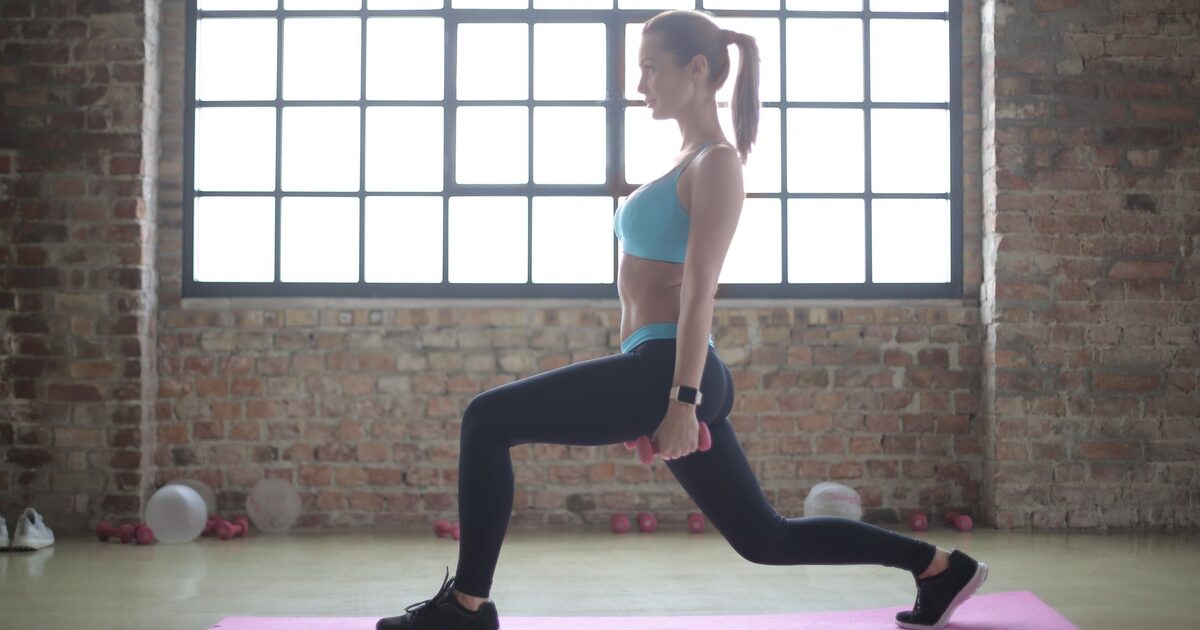
Strong glutes are not a cosmetic project. They extend your hip on every step and sprint, keep your pelvis level when you stand on one leg, and stop your knees from caving under load. You cannot "tone" them with high reps and a pink dumbbell either. Glutes are big, strong muscles that grow the way any muscle grows: meaningful load, enough volume, and steady progression over months. Here is how to train them properly.
Know the three muscles you are training
"Glutes" is shorthand for three muscles, and a good program hits all of them.
- Gluteus maximus — the big one, and the prime mover for hip extension (driving your thigh backward). It does the heavy lifting in hip thrusts, deadlifts, and squats. This is the muscle most people mean when they say they want to build their glutes.
- Gluteus medius — sits on the side of your hip. It abducts the leg (moves it away from the midline) and, more importantly, stabilises your pelvis when you are on one leg. Weak medius is why a hip drops or a knee caves during a lunge or a run.
- Gluteus minimus — underneath the medius, assisting with abduction and stability.
The practical takeaway: heavy hip-extension work builds the maximus, and dedicated abduction work keeps the medius and minimus strong so your knees track properly and your hips stay level.
The movements that actually build glutes
You only need two job descriptions covered well. Browse the full exercise library for demos, but these are the ones that earn their place.
Hip extension (the main course)
- Barbell hip thrust — the most direct glute-max loader there is. Upper back on a bench, chin tucked, drive through your heels and squeeze at the top until your torso and thighs make a straight line. Pause for one second up there. If your lower back arches instead of your hips finishing, the weight is too far forward or too heavy.
- Romanian deadlift (RDL) — hinge at the hips with soft knees, push your hips back, and feel the stretch in your hamstrings and glutes. Stop when your back wants to round, usually mid-shin. Drive your hips forward to stand.
- Bulgarian split squat — rear foot up on a bench, torso leaned slightly forward to bias the glute. One of the best single-leg builders, and it exposes side-to-side imbalances most lifters do not know they have.
- Glute bridge — the floor version of the thrust, useful for warming up or for beginners learning to feel the squeeze before adding a barbell.
Hip abduction (the side dish that matters)
- Banded lateral walk — loop a band above your knees, sit into a quarter-squat, and step sideways without letting your knees cave. Twelve to fifteen steps each direction.
- Cable kickback — ankle strap, extend the leg straight back and slightly out, squeeze, control the return.
- Seated hip abduction — push your knees apart against the machine or a band. Lean forward slightly to shift emphasis onto the upper glutes.
How to program it
Glutes recover quickly and respond to frequency. Train them two to three times a week on non-consecutive days. Per session, aim for roughly 10 to 16 hard sets across all glute work combined, split between a heavy hip-extension lift and lighter accessory work.
- Heavy compound (hip thrust, RDL): 3-4 sets of 5-8 reps, leaving 1-2 reps in reserve.
- Moderate accessory (split squat, bridge): 3 sets of 8-12 reps.
- Abduction and pump work: 2-3 sets of 15-20 reps, taken close to failure since the load is light.
The non-negotiable is progressive overload: each week, add a little weight, one more rep, or one more set. If your hip thrust sits at the same 40 kg for two months, your glutes have no reason to change. It helps to log your loads in the app so you can see whether the numbers are actually climbing week to week.
| Day | Focus | Key lifts |
|---|---|---|
| Monday | Heavy hip extension | Hip thrust 4×6, RDL 3×8, banded walk 3×15 |
| Thursday | Single-leg + abduction | Bulgarian split squat 3×10, cable kickback 3×12, seated abduction 3×20 |
| Saturday (optional) | Volume / pump | Glute bridge 4×12, hip thrust 3×12, banded walk 3×15 |
Fix the four mistakes that stall progress
- Quad-dominant thrusts. If you feel hip thrusts mostly in your thighs, your shins are too far forward at the top. Walk your feet out until your shins are vertical when your hips lock out, and think about pushing the floor away with your heels.
- Arching the lower back to fake range. Finishing a thrust or bridge by cranking your spine instead of your hips trains the wrong muscles and irritates your back. Tuck the chin, brace, and let the hips do the work.
- Never reaching full extension. Half-locked hips mean a half-trained glute. The squeeze at the very top is where the maximus works hardest, so finish every rep.
- Chasing soreness instead of load. Endless banded burnouts feel productive but build little. Treat bands as accessories; the heavy hinge and thrust are what actually build size and strength.
Recovery, protein, and patience
Muscle is built between sessions, not during them. Two things matter most. First, protein: aim for roughly 1.6 to 2.2 g per kilogram of bodyweight per day, spread across meals. A 65 kg woman is looking at about 105 to 145 g daily. Our high-protein recipes make hitting that target less of a chore. Second, sleep and food: you cannot build new muscle in a steep calorie deficit, so if growth is the goal, eat at maintenance or a slight surplus.
Be realistic about the timeline. Visible glute changes take three to six months of consistent training, and strength climbs before size does. The women who get results are not following secret exercises; they are adding weight to the bar, week after week, and not skipping sessions.
Training through pregnancy and postpartum
Glute and hip strength supports your pelvis and lower back through pregnancy and recovery, but loading needs adjusting and the guidance is individual. Get a clear return-to-lifting from your provider, and mind pelvic-floor and abdominal-separation considerations rather than chasing your old numbers. We cover both phases in detail in staying active during pregnancy safely and easing back in postpartum.
Key takeaways
- Glutes are three muscles: train heavy hip extension for the max and dedicated abduction for the medius and minimus.
- Hip thrusts and Romanian deadlifts are the main builders; bands are accessories, not the main event.
- Train glutes 2-3 times weekly with 10-16 hard sets per session and progress the load every week.
- Pause and fully lock out your hips at the top of every thrust and bridge to load the glute max properly.
- Eat 1.6-2.2 g of protein per kg of bodyweight and expect visible change over three to six months.
Frequently asked questions
Can I build my glutes without weights?
You can make early progress with bodyweight bridges, single-leg work and resistance bands, especially as a beginner. But muscle grows in response to increasing load, so once bodyweight feels easy you will need added resistance from bands, dumbbells or a barbell to keep building.
How long until I see results?
Strength improves within a few weeks, but visible changes in glute size usually take three to six months of consistent, progressive training. The biggest predictor of results is adding weight or reps over time and not skipping sessions.
Will squats alone build my glutes?
Squats train the glutes, but they also load the quads heavily and do not maximise hip extension at the top. Pair them with hip thrusts and Romanian deadlifts, which target the glutes more directly, plus some abduction work for the side glutes.