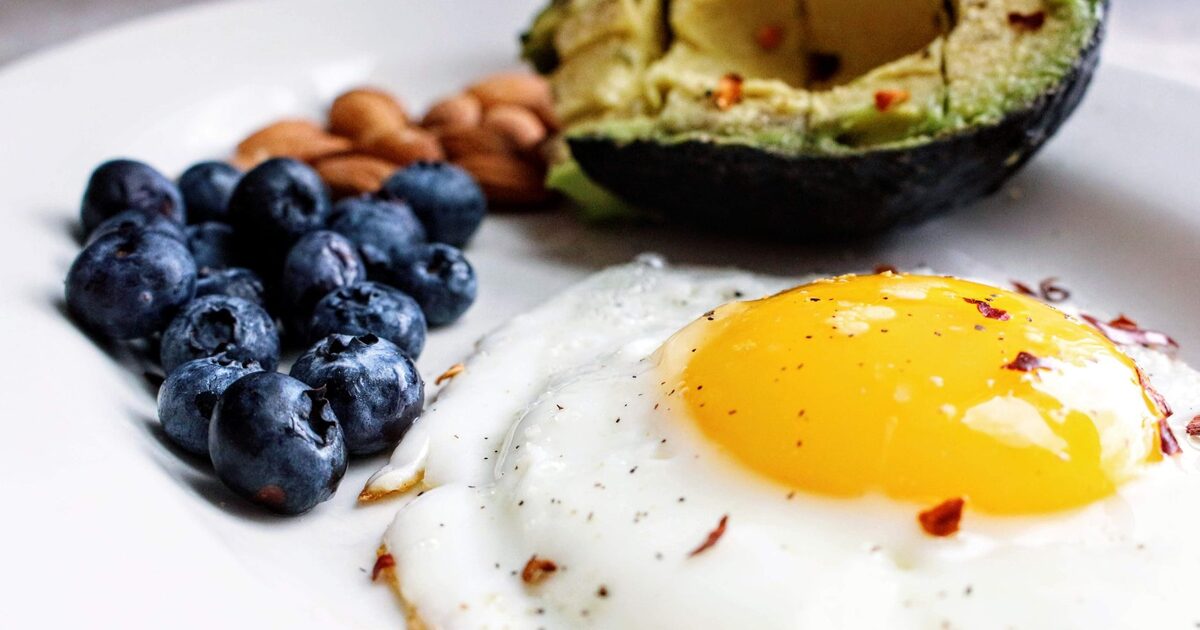
The paleo diet asks one deceptively simple question: would your great-great-great-grandparents, hunting and foraging long before farming, have recognised this as food? Strip out grains, dairy, legumes, refined sugar, and processed oils, and what remains is meat, fish, eggs, vegetables, fruit, nuts, and seeds. That framing is part myth and part useful heuristic, but it produces a real, workable way of eating. Here is what actually belongs on the plate, what gets cut, and where the honest gray areas sit.
The core idea, minus the cave-painting marketing
Paleo is built on a single move: remove the foods that arrived with agriculture and industry roughly 10,000 years ago, and eat whole foods that predate them. The historical story is loose. Hunter-gatherer diets varied enormously by latitude and season, and modern fruit and meat barely resemble their wild ancestors. But the practical result lands well. You end up eating mostly unprocessed, high-satiety food, which is why people often lose weight on paleo without counting a single calorie.
Think of it less as historical re-enactment and more as a strict whole-food filter. Most of paleo's wins come from what it removes: ultra-processed snacks, sugary drinks, and refined carbohydrates that are easy to overeat. In that sense it overlaps heavily with a low-carb approach, though paleo allows starchy tubers and fruit, so it is not low-carb by default.
What to eat
The yes list is wide enough that nobody should feel like they are surviving on chicken and lettuce. Build meals around these:
- Animal protein: beef, lamb, pork, chicken, turkey, and game. Fatty fish such as salmon, sardines, and mackerel two to three times a week for omega-3s. Eggs, ideally whole, not just whites.
- Vegetables: anything non-legume. Leafy greens, broccoli, cauliflower, peppers, courgette, carrots, onions, mushrooms. Aim to fill half your plate.
- Starchy tubers: sweet potato, regular potato (yes, see below), squash, and cassava. These are your main carbohydrate source and matter most if you train hard.
- Fruit: berries, apples, citrus, bananas. Whole fruit, not juice. Generally 1 to 3 servings a day depending on your goals.
- Nuts and seeds: almonds, walnuts, macadamias, pumpkin seeds. Calorie-dense, so a small handful (about 30 g) is a portion, not the whole bag.
- Healthy fats: olive oil, avocado, coconut, and rendered animal fats like tallow and ghee-adjacent clarified butter (clarified is debated; more on dairy below).
For meal inspiration that stays inside these lines, our recipe library has plenty of grain-free, single-ingredient-based dishes you can cook on a weeknight.
What to avoid
The no list is shorter but non-negotiable for strict paleo:
- Grains: wheat, rice, oats, corn, barley, and anything made from them, including bread, pasta, and most breakfast cereals.
- Legumes: beans, lentils, chickpeas, peanuts, and soy. This rules out peanut butter, hummus, and tofu.
- Dairy: milk, cheese, yoghurt, and butter on the strict version.
- Refined sugar and sweeteners: table sugar, high-fructose corn syrup, and most artificial sweeteners.
- Refined and industrial seed oils: soybean, corn, canola, sunflower, and margarine.
- Ultra-processed foods: if the ingredient list reads like a chemistry set, it is out.
| Category | Eat | Avoid |
|---|---|---|
| Protein | Beef, fish, eggs, poultry, game | Processed deli meats with fillers, soy protein |
| Carbs | Sweet potato, squash, fruit | Bread, pasta, rice, oats, cereal |
| Fats | Olive oil, avocado, nuts, tallow | Canola, soybean, sunflower oil, margarine |
| Dairy | None (strict) or fermented (lenient) | Milk, soft cheese, ice cream |
| Drinks | Water, black coffee, herbal tea | Soda, fruit juice, beer, sweet cocktails |
The gray areas nobody agrees on
This is where most real-world paleo questions actually live, and where strict and lenient camps split.
White potatoes
Early paleo banned them; most current versions allow them. They are a whole-food tuber, not a refined grain, and a perfectly good post-workout carb. If fat loss has stalled, watch the portion and the toppings rather than fearing the potato itself.
Dairy
Strictly, dairy is out because it postdates farming. Many people run a "primal" variant that allows full-fat, fermented dairy like aged cheese, butter, and plain yoghurt because they tolerate it well. If you cut dairy entirely, mind your calcium and vitamin D, since milk is a major source for most people.
Honey, maple syrup, and "paleo" treats
Natural sweeteners are technically permitted in small amounts, but a paleo brownie sweetened with maple syrup and almond flour is still a dessert. Treating them as free passes is the fastest way to gain weight on a diet that is supposed to keep it off.
Alcohol
No version of paleo is enthusiastic about it. Beer is out (grains), most spirits and dry wine sit in a tolerated-but-not-encouraged zone. Keep it occasional.
Will it work for your goals?
For fat loss, paleo is effective mostly because protein and fibre are high and hyper-palatable junk is gone, so total intake drops on its own. Protein in particular is the lever that matters: active people generally do well at roughly 1.6 to 2.2 g of protein per kg of bodyweight per day, and paleo makes hitting that easy. If muscle gain is the priority, the same protein targets apply, but you will likely need to push starchy tubers and fruit higher to fuel training, since cutting grains can leave carbohydrate intake lower than lifters want. The same protein-first logic underpins a high-protein diet, and the two pair naturally.
The honest caveats: long-term randomised trials on paleo specifically are limited, so claims about it being uniquely superior are overstated. Cutting whole grains and legumes removes cheap, fibre-rich foods, so you have to make up the fibre with generous vegetables and fruit. And it can get expensive and socially awkward fast. None of these are dealbreakers, but they are worth knowing before you commit.
How to start without overthinking it
- Clear the obvious stuff first. Remove bread, cereal, pasta, soda, and seed oils from the kitchen. That single step does most of the work.
- Anchor every meal on protein plus vegetables, then add a fat and, if you are training, a starchy carb. A palm-sized protein portion and two fists of veg is a fine default.
- Cook in batches. Roast a tray of meat and vegetables; that is two or three meals handled.
- Track for the first two weeks. Logging meals in the FitBot Coach app shows whether your protein and calories are actually where you think they are.
- Pair it with training. A whole-food diet works best alongside consistent strength work; browse the exercise library to build a simple routine around it.
Paleo is not magic, and the cave-living backstory is mostly window dressing. What is left when you strip that away is a sane, whole-food template that removes the foods most people overeat. Run the strict version for 30 days, see how you look and feel, then decide which gray-area foods you want to keep.
Key takeaways
- Paleo cuts grains, legumes, dairy, refined sugar, and seed oils; you eat meat, fish, eggs, veg, fruit, nuts, and tubers.
- Most of its benefit comes from removing ultra-processed foods, so intake drops without calorie counting.
- Aim for 1.6-2.2 g of protein per kg of bodyweight; push tubers and fruit higher if you train hard.
- White potatoes, fermented dairy, and honey are tolerated gray areas, not strict-paleo staples.
- Long-term trial data is limited; cover calcium, vitamin D, and fibre when you cut dairy and grains.
Frequently asked questions
Is the paleo diet good for weight loss?
It often works well for fat loss because protein and fibre are high and ultra-processed foods are gone, so most people eat less without counting calories. The effect comes from the whole-food filter, not anything unique to paleo itself. Mind portions of nuts, fruit, and paleo treats, which are still calorie-dense.
Can you eat potatoes and rice on paleo?
White potatoes and sweet potatoes are allowed on most modern versions of paleo because they are whole-food tubers, not refined grains. Rice is a grain and is excluded on strict paleo. Tubers make a good carbohydrate source, especially around training.
Why is dairy not allowed on paleo?
Strict paleo excludes dairy because it entered the human diet with farming, after the Paleolithic era. A lenient "primal" variant allows full-fat, fermented dairy like aged cheese and plain yoghurt for people who tolerate it. If you cut dairy entirely, watch your calcium and vitamin D intake.