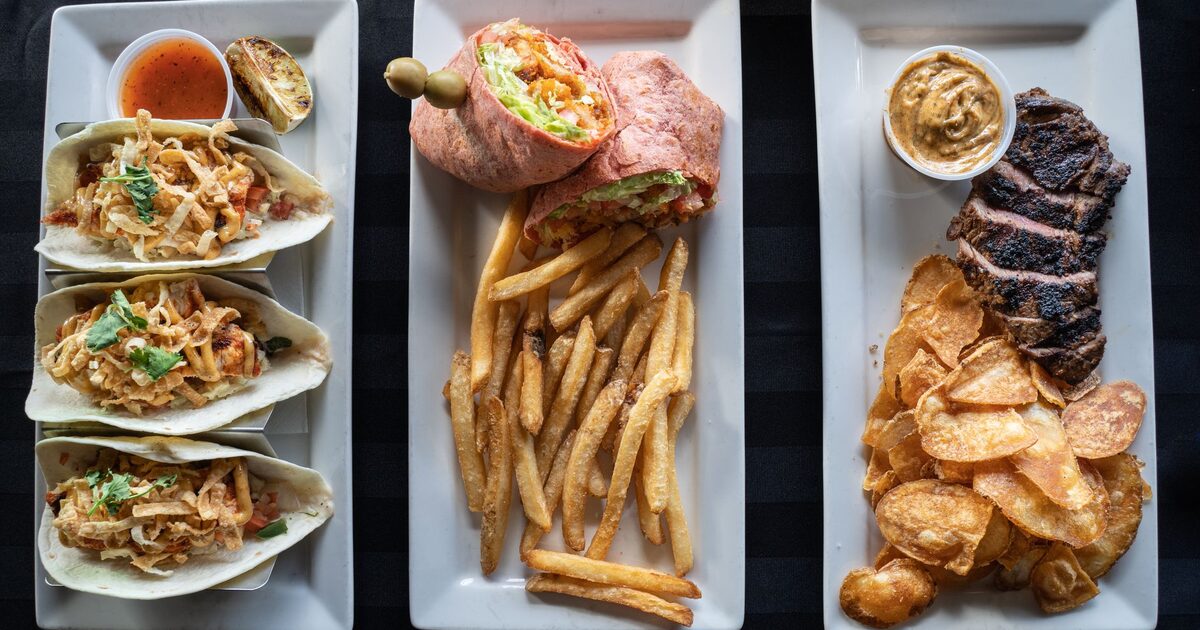
You've finished your last set, you're a bit sweaty, and somewhere in the back of your mind a timer is ticking — eat protein in the next 30 minutes or the session was wasted. That timer is mostly fiction. The post-workout meal does matter, but not for the panicked reasons you've been sold. Here's what your body actually needs after training, how much, and how relaxed you can be about the clock.
What the post-workout meal is actually for
Training is the stimulus; food is part of the recovery. A hard session does three things worth feeding: it creates micro-damage in muscle fibres that protein helps repair, it drains some of the glycogen (stored carbohydrate) your muscles run on, and it leaves you down fluid and electrolytes through sweat. The meal afterwards refills those three tanks so you recover faster and show up fresh next time. There's no magic switch that flips off when you rack the weights — the job is to hit your protein and carb targets across the whole day, and this meal is simply a convenient chance to bank a good chunk of both.
Protein: the non-negotiable part
This is the piece that genuinely earns its reputation. Resistance training raises muscle protein synthesis — your body's repair-and-build process — for roughly 24 to 48 hours. To make the most of that window, you want a solid dose of protein in the meal after training, then more spread across the rest of the day.
How much: aim for 0.3 to 0.4 grams of protein per kilogram of bodyweight in the post-workout meal, which works out to roughly 25 to 40 grams for most people. An 80 kg lifter lands around 30 g. Going much higher in a single sitting doesn't speed muscle repair — the extra still counts toward your daily total, it just isn't doing anything special because it arrived after a workout.
Why that range: 25 to 40 g supplies enough leucine — the amino acid that triggers the build signal — to max out the response. A palm-and-a-half of chicken, beef, or fish gets you there, as does a scoop of whey, three eggs with cheese, or, if you eat plant-based, tofu with edamame (mix your plant sources across the day so you cover all the essential amino acids). The meal table further down gives you ready-made options with the numbers attached.
If your last meal was a few hours before training, you've still got amino acids circulating, so the urgency drops further. Trained fasted — first thing, nothing since dinner? Then getting protein in soon afterwards matters a bit more, because you're starting from a tank closer to empty.
Carbs: useful, but it depends on what you just did
Carbohydrate refills the glycogen your muscles burned. How much you need back, and how quickly, depends entirely on the session and what's next on your schedule.
If you lift weights three or four times a week and eat enough carbs across the day, you don't need to chase a specific post-workout number. A typical strength session — even a tough one — only dents your glycogen modestly, and you'll top it back up over your next couple of meals. Eat a normal balanced meal and move on.
If you did long or repeated hard efforts — a 90-minute ride, a heavy conditioning session, two sessions in a day, or you're an endurance athlete — glycogen replenishment becomes the priority and timing starts to count. Aim for roughly 1.0 to 1.2 grams of carbohydrate per kilogram of bodyweight per hour for the first few hours, especially if your next session is under eight hours away. For an 80 kg athlete that's around 80–95 g an hour — a real meal plus a banana and a drink, not a token snack.
Good post-workout carbs: rice, potatoes, oats, pasta, fruit, or a couple of slices of good bread. Right after hard training is one of the few moments faster-digesting carbs are genuinely useful, because you want to refill quickly. The rest of the day, lean on slower, fibrous carbs — and don't crowd them out, since your daily fibre target matters more for health than any single post-gym meal.
The 30-minute window, honestly
The famous "anabolic window" — the idea that you must eat within 30 to 45 minutes or lose your gains — is one of the most oversold ideas in fitness nutrition. The real window is closer to a few hours wide, and for most people the thing that matters is total daily intake, not stopwatch precision.
Two things decide how much timing actually matters for you:
- When you last ate. If you had a proper meal two to three hours before training, its protein and carbs are still being absorbed during and after your session. There's no empty tank to rush and fill, so eating "late" afterwards changes nothing.
- When you train next. If you've got 24 hours until your next session, you have all day to hit your numbers. If you're training again in six hours, refuelling promptly genuinely helps you perform in round two.
So the practical rule: eat a normal protein-plus-carb meal within a couple of hours of finishing, and earlier rather than later only if you trained fasted or you're backing up sessions. Skipping the meal entirely for many hours is what costs you — not missing an imaginary 30-minute deadline.
What a good post-workout plate looks like
You don't need a shake or anything labelled "recovery" — a regular meal built around protein and carbs does the job. Here's how a few realistic options stack up.
| Meal | Protein | Carbs | Best for |
|---|---|---|---|
| Chicken, rice, and vegetables | ~40 g | ~60 g | Any session; the default plate |
| Greek yoghurt, oats, berries, honey | ~25 g | ~55 g | Morning or fasted training |
| Whey shake + banana | ~25 g | ~30 g | No appetite, or no time to cook |
| Eggs, toast, and avocado | ~25 g | ~35 g | Lighter sessions |
| Tofu stir-fry with rice and edamame | ~30 g | ~65 g | Plant-based, harder sessions |
The pattern behind all of them: a palm-sized portion of protein, a cupped handful or two of a starchy carb scaled to how hard you trained, and some vegetables or fruit.
A few situations that change the answer
You're cutting and not hungry. If appetite is low, a whey shake with a piece of fruit is an easy way to hit your protein without forcing down a full meal. In a calorie deficit, protein is the macro to protect first — it preserves muscle while you lose fat.
You're a beginner just trying to be consistent. Don't overthink it. Eat a balanced protein-and-carb meal at some point after you train, and put your energy into showing up and training with good form instead. Timing is a rounding error next to consistency — which, for the record, is also why a fasted morning workout or a same-day double session are the only cases where getting food in quickly genuinely pays off.
Don't forget what you sweated out
Food gets all the attention, but you also finished the session down fluid. A reasonable starting point is to drink around 500 ml of water after training, more if it was long, hot, or you're a heavy sweater. If you weigh yourself before and after on a tough day, aim to replace roughly 1.25 to 1.5 litres for every kilogram lost — that drop is almost entirely water, not fat. For sweatier sessions, add sodium back with an electrolyte drink or simply salt your meal. We go deeper in our guide to how much water you should drink a day.
The short version
After training, eat a meal with 25 to 40 g of protein (0.3–0.4 g/kg) plus carbs scaled to how hard you worked, within a relaxed couple of hours — sooner only if you trained fasted or you're training again the same day. Refill fluids, prioritise protein in a deficit, and remember the headline: your daily totals decide your results far more than the stopwatch does.
Key takeaways
- Aim for 25-40 g of protein (0.3-0.4 g/kg) in your post-workout meal to max out muscle repair.
- Scale carbs to the session: a normal meal for weights, 1.0-1.2 g/kg/hour after long or repeated hard efforts.
- The 'anabolic window' is hours wide, not 30 minutes - daily totals matter far more than the clock.
- Timing only tightens if you trained fasted or you're training again the same day.
- Replace fluids too: ~500 ml of water after training, more for long or sweaty sessions.
Frequently asked questions
Do I really need to eat within 30 minutes of working out?
No. The post-workout window is closer to a few hours wide, not 30 minutes. If you had a meal two to three hours before training, those nutrients are still being absorbed, so eating soon afterwards barely matters. Timing only tightens up if you trained fasted or you're training again within a few hours.
What should I eat after a workout to build muscle?
A meal with 25 to 40 grams of protein (about 0.3-0.4 g per kg of bodyweight) plus some carbohydrate. Think chicken and rice, Greek yoghurt and oats, or a whey shake with a banana. Hitting your total daily protein of 1.6-2.2 g/kg matters more than the exact post-workout amount.
Do I need carbs after lifting weights?
Some, but you don't need to chase a specific number. A typical strength session only dents your glycogen modestly, so a normal balanced meal refills it over the next few hours. Carb timing only becomes important after long endurance work or when you're training twice in one day.