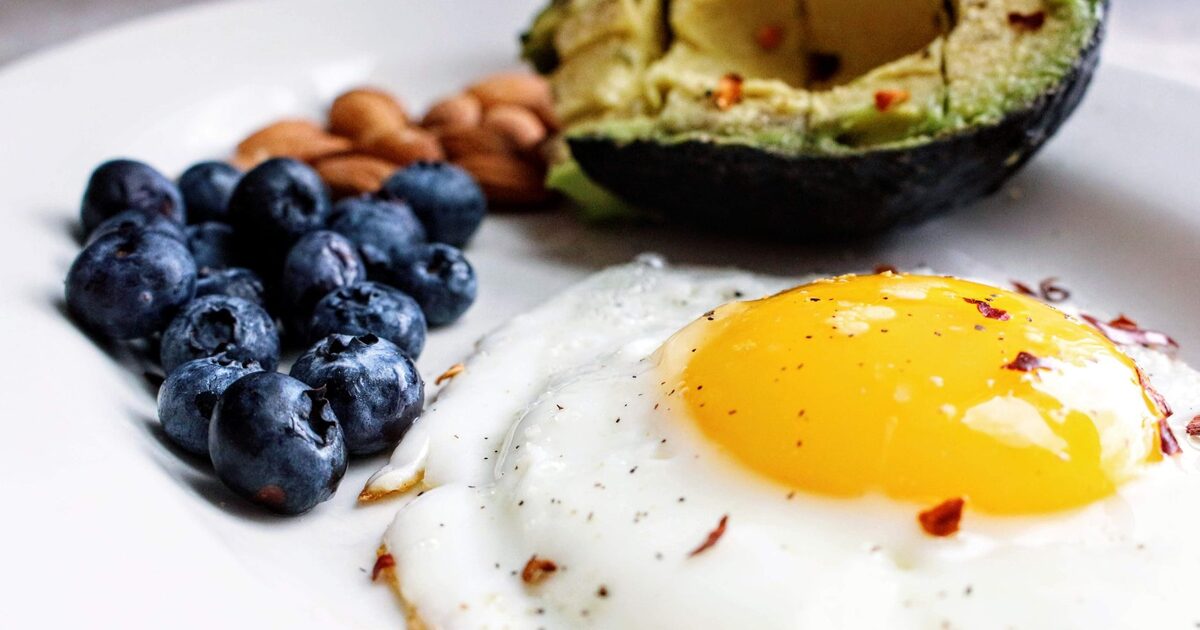
Strip away every diet trend and you're left with three nutrients that carry all your calories: protein, carbohydrate, and fat. They're called macronutrients because you eat them in gram quantities, not milligram traces like vitamins. Get the balance of these three right and the details mostly sort themselves out — your energy holds, your training improves, and your body composition moves the way you want. This guide explains what each one does, how much you actually need, and how to turn that into a plate.
The one number that ties them together
Every calorie you eat comes from one of these macros, and each delivers a fixed amount of energy per gram:
- Protein — 4 calories per gram
- Carbohydrate — 4 calories per gram
- Fat — 9 calories per gram
That's the whole accounting system. Fat is the densest by a wide margin — more than double protein or carbs gram for gram — which is why a tablespoon of olive oil (about 120 calories) costs the same as a large apple you'd actually have to chew through. Alcohol, for the record, sits at 7 calories per gram, closer to fat than to sugar, which catches a lot of people out. Your total intake is just the sum of these four, and your calorie balance decides whether you gain, lose, or hold. The split between the three macros decides how you feel and perform while that happens.
Protein: the one you build with
Protein is structural. Your muscles, skin, hair, enzymes, and immune cells are built from amino acids, and unlike fat or carbs your body can't stockpile a reserve to draw on later. You need a steady daily supply or it starts breaking down its own tissue to cover the gap. For anyone training, protein is also the nutrient that turns a workout into muscle rather than just fatigue.
How much: aim for 1.6 to 2.2 grams per kilogram of bodyweight per day. An 80 kg person lands around 130 to 175 g. This range is well-tolerated by healthy people; if you have kidney disease, check with your doctor before pushing protein high. Push toward the upper end when you're dieting — protein protects muscle in a deficit and it's the most filling of the three, so it does double duty. Spreading it across three to five meals of roughly 0.3–0.4 g/kg each (around 25–40 g) tops up the signal to build muscle more effectively than loading it all into dinner.
Best sources: chicken, lean beef, fish, eggs, Greek yoghurt, milk, tofu, tempeh, lentils, and whey. A practical eyeball: a palm-sized portion of cooked chicken is roughly 30 g of protein. Animal sources are "complete" (they carry all nine essential amino acids); most plant sources aren't, so vegetarians should mix them — rice with beans, hummus with bread — across the day. For a longer menu with portion sizes, see our roundup of 25 of the best high-protein foods.
Carbohydrates: the one you run on
Carbs are your body's preferred fuel, especially for hard efforts. They break down into glucose, which powers your brain and feeds the high-intensity work in the gym — sprints, heavy sets, anything that leaves you breathing hard. Stored as glycogen in your muscles and liver, carbs are what let you push through a tough session instead of fading halfway.
The "good carb vs bad carb" framing is clumsy, but there's a real distinction underneath it: fibre and how processed the food is. Whole, fibrous carbs — oats, potatoes, rice, beans, fruit, vegetables — digest slowly, keep you full, and carry micronutrients. Refined ones — sweets, white bread, sugary drinks — hit fast and leave you hungry sooner. Neither is poison, but most of your carbs should come from the first group. Chase 25 to 38 grams of fibre a day; it steadies blood sugar, feeds your gut bacteria, and blunts appetite. We unpack the nuance in carbohydrates: good carbs vs bad carbs explained.
How much: carbs are the flexible macro. After you've set protein and fat, carbs fill whatever calories remain. A cupped handful of cooked rice or pasta is roughly 30–40 g of carbohydrate — a handy gauge when you're not weighing food. Active people thrive on more; if you're sedentary or cutting, fewer is fine.
Fat: the one you can't go too low on
Fat gets unfairly demonised. It's essential — it builds cell membranes, lets you absorb vitamins A, D, E, and K, and is the raw material your body uses to make hormones like testosterone. Cut fat too low for too long and energy, mood, and hormonal health all suffer. It's also the most calorie-dense macro, so it's easy to overdo without noticing.
How much: treat fat as a floor, not a target to maximise. Keep it at a minimum of 0.5 to 0.8 grams per kilogram of bodyweight, or roughly 20 to 30% of your total calories. Below that and you risk the downsides above; far above it and you're just spending your calorie budget on the densest option, leaving little room for protein and carbs.
Best sources: favour unsaturated fats — olive oil, avocado, nuts, seeds, and oily fish like salmon, which also delivers omega-3s. A thumb-sized serving of oil or nut butter is about 100 calories, so portion it deliberately. Keep saturated fat (fatty meat, butter, full-fat dairy) moderate rather than zero, and limit processed trans fats where you can.
Setting your split
Forget rigid percentage rules. Build your numbers in this order and the split takes care of itself:
- Set protein first. 1.6–2.2 g/kg, non-negotiable, because it's doing the most work for muscle and fullness.
- Set a fat floor. At least 0.5–0.8 g/kg so hormones and vitamin absorption stay healthy.
- Fill the rest with carbs. Whatever calories are left after protein and fat become your carb allowance. They flex up on training days and down on rest days.
One refinement worth making: skew your carbs toward the hours around training. A meal with rice or oats before and after a session tops up glycogen and gives you fuel to lift heavier, which over weeks means more quality training volume and better results. The macros you eat far from the gym matter less for performance.
| Macro | Calories/g | Daily target | Lean toward |
|---|---|---|---|
| Protein | 4 | 1.6–2.2 g/kg | Chicken, fish, eggs, yoghurt, tofu, whey |
| Carbs | 4 | Fills remaining calories | Oats, rice, potatoes, fruit, beans, veg |
| Fat | 9 | 0.5–0.8 g/kg (floor) | Olive oil, nuts, avocado, oily fish |
Putting it on a plate
Numbers only help if they reach your fork. A reliable template for most meals: fill half the plate with vegetables, a quarter with a protein source, and a quarter with a carb source, then add a measured spoon or thumb of fat for flavour and satiety. That single habit gets most people surprisingly close to a balanced macro split without a spreadsheet.
When you do want precision, tracking for a couple of weeks recalibrates your eye fast — most people underestimate fat and overestimate protein until they weigh it once. Our recipe collection is filtered by protein and calories so a day's meals land on target, and the FitBot Coach app logs your macros against these numbers automatically so you can see the split in real time.
The short version
Protein and carbs carry 4 calories a gram, fat carries 9. Anchor your day with protein at 1.6–2.2 g/kg, set a fat floor near 0.5–0.8 g/kg, and let carbs — mostly whole and fibrous — fill the rest, skewed toward your training. Hit your fibre, build each plate around protein and vegetables, and the trends in the mirror will follow the numbers on the page.
Key takeaways
- Protein and carbs each carry 4 calories per gram; fat carries 9 — so fat is by far the most calorie-dense macro.
- Set protein first at 1.6-2.2 g/kg of bodyweight, spread across 3-5 meals of roughly 0.3-0.4 g/kg each.
- Treat fat as a floor, not a target: keep it at least 0.5-0.8 g/kg, or about 20-30% of calories.
- Carbs are the flexible macro — fill your remaining calories with mostly whole, fibrous sources and chase 25-38 g of fibre daily.
- Build each plate half vegetables, a quarter protein, a quarter carbs, plus a measured thumb of fat, and skew carbs around training.
Frequently asked questions
How much of each macronutrient should I eat?
Set protein first at 1.6-2.2 g per kg of bodyweight, then a fat floor of at least 0.5-0.8 g/kg (or 20-30% of calories), and let carbohydrates fill whatever calories remain. This order guarantees the two macros that drive muscle and hormonal health are covered before you spend the rest on fuel. Active people can carry far more carbs than sedentary ones.
Are carbs bad for losing fat?
No. Fat loss is driven by eating fewer calories than you burn, not by avoiding any single macro. Carbs fuel hard training and keep you full when they come from whole, fibrous sources like oats, potatoes, and beans. You can lose fat on higher or lower carbs as long as your overall calories and protein are in check.
Why is fat higher in calories than protein and carbs?
Fat packs 9 calories per gram versus 4 for protein and carbohydrate, because of how its chemical bonds store energy. That density makes fat easy to over-consume — a single thumb of oil is about 100 calories. It's essential for hormones and vitamin absorption, so keep it at a sensible floor rather than cutting it out or letting it dominate your plate.