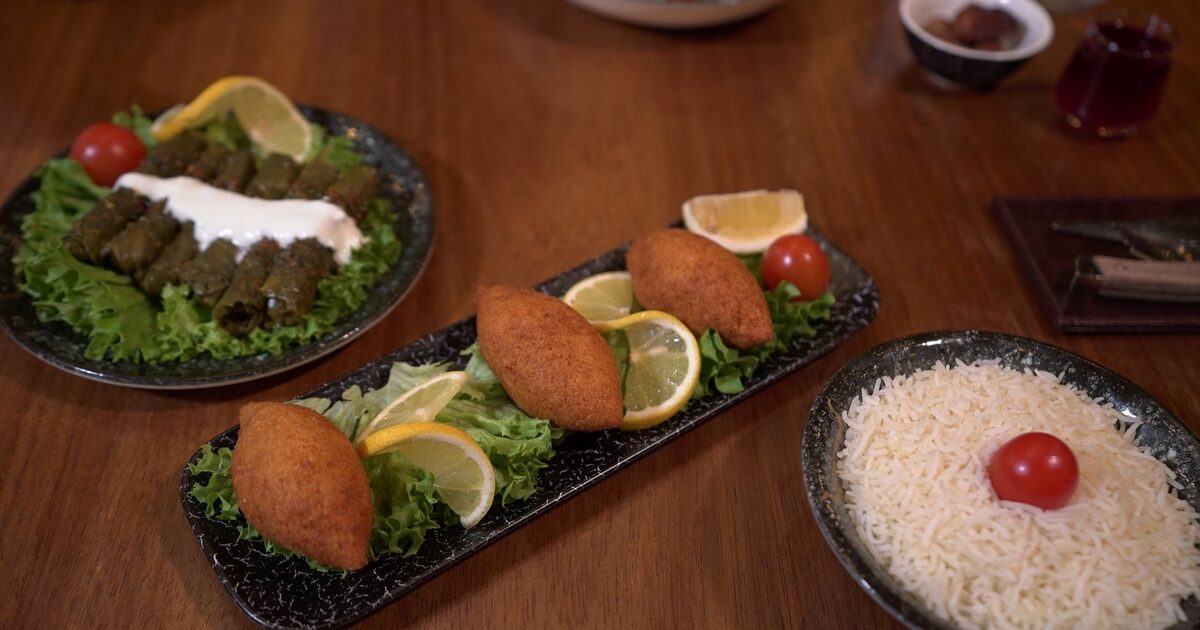
The Mediterranean diet keeps topping "best diet" rankings, and for once the hype is earned. But it isn't a diet in the cabbage-soup sense — there's no calorie ceiling, no banned macronutrient, no 30-day finish line. It's the everyday eating pattern of countries around the Mediterranean basin in the 1960s: heavy on plants and olive oil, generous with fish, light on red meat, almost devoid of ultra-processed food. What makes it worth your attention isn't tradition, it's evidence — this is one of the most rigorously tested ways of eating there is. Here's how it works and how to run it without moving to Crete.
It's a frequency pattern, not a macro target
Most diets define themselves by a number: carbs under 20 g, protein at 2 g per kilo, calories at maintenance minus 500. The Mediterranean diet defines itself by how often you eat each kind of food. Get the frequencies right and the macros sort themselves out — you naturally land somewhere around 35–40% of calories from fat (mostly unsaturated), moderate carbohydrate from whole sources, and modest but adequate protein.
The cleanest way to picture it is a hierarchy, from "every meal" down to "a few times a month":
| How often | Foods | Rough target |
|---|---|---|
| Every meal | Vegetables, fruit, whole grains, beans & lentils, nuts, extra-virgin olive oil | Vegetables & fruit: 5+ servings/day; olive oil as the main fat |
| At least weekly | Fish & seafood | 2 or more servings/week |
| Weekly, in moderation | Poultry, eggs, plain yoghurt, cheese | Eggs up to ~7/week; dairy 2 servings/day at most |
| A few times a month | Red meat | Keep to ~2–3 small servings/week or less |
| Rarely | Sweets, sugary drinks, processed meat, refined grains | Treats, not staples |
Notice what isn't restricted: bread, pasta, and rice all stay — just in their whole-grain form, and as a supporting act rather than the centre of the plate. This is the sharpest line between this pattern and a low-carb one. If you've read our guide to the paleo diet, the contrast is stark: paleo cuts grains, legumes, and dairy entirely, whereas the Mediterranean pattern leans on whole grains and beans as everyday staples and treats fermented dairy as a positive.
Olive oil is the engine, not a garnish
If one ingredient carries this diet, it's extra-virgin olive oil. Not a teaspoon for flavour — the trial that put this pattern on the map had people using around four tablespoons a day. It's the cooking fat, the dressing, the finish on soup and vegetables. EVOO is roughly 73% monounsaturated fat and carries polyphenols like oleocanthal that survive in the unrefined, cold-pressed product (which is why "extra-virgin" matters — refined olive oil loses most of them).
Practically, this means swapping butter, margarine, and seed oils out and pouring olive oil with a confidence that feels excessive at first. Drizzle it raw over finished dishes, where the polyphenols are fully intact. Nuts do similar work — a daily 30 g handful of walnuts, almonds, or hazelnuts was the other fat source in the headline research. Between oil, nuts, oily fish, and avocado, fat does a lot of the satiety lifting, which is part of why people rarely feel deprived on this pattern.
What the evidence actually shows
This is the part that separates the Mediterranean diet from the diet of the month. The landmark trial is PREDIMED, a Spanish randomised study of around 7,400 adults at high cardiovascular risk. One group ate a Mediterranean diet topped up with extra-virgin olive oil, another with nuts, and the control group got standard advice to cut fat. Over a median of nearly five years, the two Mediterranean groups had roughly a 30% lower rate of major cardiovascular events — heart attack, stroke, and cardiovascular death — than the low-fat group (hazard ratios of 0.70 and 0.72). The trial was retracted and republished in 2018 after a statistical reanalysis; the headline conclusion held.
Beyond that flagship result, the pattern is consistently linked to better blood pressure, healthier cholesterol and triglycerides, improved blood-sugar control, and lower rates of type 2 diabetes and cognitive decline. No single food is magic here. The benefit comes from the whole pattern — fibre, unsaturated fats, polyphenols, and the displacement of refined carbs and processed meat all pulling in the same direction.
A day on the plate
Abstractions don't help at the supermarket, so here's what an ordinary day can look like — no special ingredients, no recipes you can't pronounce:
- Breakfast: Greek yoghurt with walnuts, berries, and a drizzle of honey; or wholegrain toast with smashed avocado, tomato, and olive oil.
- Lunch: A big lentil or chickpea salad — greens, cucumber, tomato, red onion, feta, olive oil and lemon — with wholegrain pita.
- Dinner: Baked salmon or sardines, roasted vegetables in olive oil, and a side of farro, bulgur, or brown rice.
- Snacks: A handful of almonds, an orange, olives, or hummus with carrot sticks.
The single highest-value habit is making a vegetable or a legume the anchor of each plate, then adding protein and grain around it — the reverse of the meat-and-two-veg default. Fish twice a week and beans most days quietly cover a lot of your protein without much red meat; if you want to be deliberate about hitting protein targets, our guide to a high-protein diet shows how fish, eggs, dairy, and legumes stack up. For meals already built around these ingredients, browse our recipe library.
Where people get it wrong
The Mediterranean diet is forgiving, but a few predictable mistakes blunt the results:
- Buying "Mediterranean" off a label. A jar of pasta sauce or a frozen meal with that word on it is marketing. The pattern is built from whole ingredients, not products.
- Treating it as a pasta-and-bread pass. Refined white pasta with a little tomato is not the diet. Whole grains, in moderate portions, with vegetables doing the heavy lifting — that is.
- Being timid with olive oil and skimping on legumes. These are the two things people consistently under-do, and they're central. Beans, lentils, and chickpeas several times a week are not optional flavour — they're a load-bearing wall.
- Forgetting the lifestyle around the food. The original populations also walked daily, ate slowly with other people, and didn't graze on ultra-processed snacks. The food matters most, but the context isn't nothing — pairing the diet with regular movement from our exercise library is closer to the real thing.
A note on wine
Red wine with meals is part of the traditional picture, and you'll see it on the classic food pyramid. Be careful with that. The current scientific consensus has moved away from the idea that any amount of alcohol is "heart-healthy," and the benefits of the pattern hold without it. If you don't drink, this is not a reason to start. If you do, the traditional framing is small amounts with food — not a license. Everything else here works perfectly well alcohol-free.
Why it tends to stick
Restrictive diets fail because they're a temporary performance you eventually stop putting on. The Mediterranean diet rarely triggers that rebound, for a simple reason: it bans almost nothing and centres on food that's genuinely satisfying — fat, fibre, and protein together keep you full, and there's no macro you're white-knuckling through. You can run it at a calorie deficit for fat loss, at maintenance for health, or scaled up for an athlete, all without changing the underlying shape.
Start with three swaps this week: olive oil instead of butter, a whole grain instead of a refined one, a bean-based meal in place of a red-meat one. Add fish twice next week, then layer the rest in over a month. Logging those changes in the FitBot Coach app until they're automatic is the difference between trying the Mediterranean diet and living on it — and unlike most things that top the rankings, this one is built for decades, not weeks.
Key takeaways
- It's a frequency pattern, not a macro target: plants, whole grains, legumes and olive oil daily; fish twice a week; red meat rarely.
- Extra-virgin olive oil is the engine, not a garnish; the landmark trial used around 4 tablespoons a day plus a 30 g handful of nuts.
- In the PREDIMED trial, the diet cut major cardiovascular events by roughly 30% versus low-fat advice in high-risk adults.
- Whole grains and legumes stay in, which is the sharpest difference from low-carb and paleo approaches.
- It sticks because it bans almost nothing; build it in with a few swaps a week rather than overhauling everything at once.
Frequently asked questions
Is the Mediterranean diet good for weight loss?
It can be, though it's designed for long-term health rather than rapid loss. Because it's high in fibre, healthy fat and protein, it keeps you full, so many people eat less without counting. To lose fat, run the same pattern at a modest calorie deficit.
Can I eat bread and pasta on the Mediterranean diet?
Yes, and that's a key difference from low-carb diets. Whole-grain bread, pasta, and rice are part of the pattern, just in moderate portions with vegetables as the centre of the plate. Refined white versions and sugary baked goods are the ones kept to a minimum.
Do I have to drink wine to follow it?
No. Wine appears in the traditional version, but the diet's benefits hold without it, and current consensus advises against treating any alcohol as heart-healthy. If you don't drink, there's no reason to start; if you do, the traditional framing is small amounts with food.